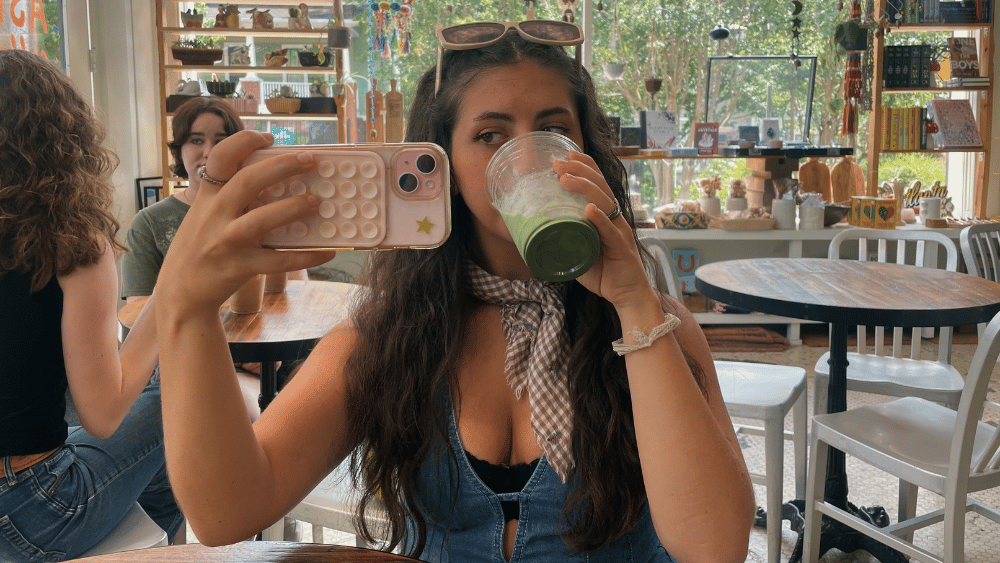
Authenticity is no longer optional for younger consumers

‘Authenticity’ has become one of the most overused words in marketing, but for Gen Z and Gen Alpha, authenticity isn’t a trend. It’s an expectation.
Having grown up surrounded by influencer marketing, branded content and digital advertising, younger audiences are exceptionally good at identifying content that feels forced, scripted or disconnected from reality. The strongest creator partnerships recognize this.
Rather than positioning creators as brand mouthpieces, successful campaigns allow creators to participate in experiences and tell stories in a way that feels natural to their audience.
We’ve seen this approach work particularly well during live events and cultural moments, where creators are embedded within an experience rather than simply reporting on it.
Authentic storytelling in action
An example of this was during our work with The Boat Race, where we partnered with creator Frankie Foster to attend the event and document the day through his own perspective. Rather than delivering a scripted promotional message, Frankie brought his audience along for the experience, sharing a recap reel of the event alongside a series of Instagram Stories that captured what he saw, did and experienced throughout the day.
By allowing Frankie to engage with the event naturally and communicate in his own voice, the content felt far more authentic than a traditional brand-led activation. Audiences weren’t simply being told about The Boat Race; they were experiencing it through someone they already followed and trusted. The content generated almost 198,000 views and more than 3,200 engagements, demonstrating how creator-led storytelling can drive both reach and meaningful audience interaction when authenticity is prioritized.
For younger audiences, participation feels more credible than promotion. This is particularly true when creators are able to shape the story themselves. Audiences are increasingly familiar with sponsored content and can quickly identify when a creator’s voice has been replaced by a brand script.
This has important implications for influencer briefs. Brands need to provide direction, but they also need to trust creators to communicate in a way that resonates with their audience.
The more scripted the content, the less authentic it feels. And the less authentic it feels, the less likely it is to perform.
The new rules of brand loyalty for Gen Z and Gen Alpha

Winning attention is one thing, but keeping it is another. Research shows that 57% of Gen Z consumers are less loyal to brands than they were before the pandemic, while 43% have stopped buying from a brand simply because they became bored.
For marketers, this presents a challenge. Campaigns can no longer be treated as isolated moments. Brands need to remain culturally relevant, socially active and consistently visible in the spaces where younger audiences spend their time.
Authenticity plays a role here too – research suggests that brands using authentic social impact messaging saw a 22% increase in Gen Z loyalty, while performative purpose-led campaigns often had the opposite effect.
The takeaway is simple: younger consumers reward brands that demonstrate values consistently, not brands that only communicate them when it’s convenient. Brand loyalty today is built through ongoing relevance, not occasional campaigns.
Maintaining that relevance requires more than publishing content. It means actively participating in culture, listening to community sentiment and continually adapting to audience expectations as behaviors evolve.
Why Gen Alpha is the consumer generation brands can’t ignore

While much of the marketing conversation remains focused on Gen Z, brands should already be thinking about Gen Alpha. Born from 2010 onwards, Gen Alpha is growing up in a world where creator culture, social commerce and algorithm-driven content are completely normal.
Unlike previous generations, they don’t remember a world before YouTube, TikTok or influencer marketing. They are also growing up in an environment shaped by recommendation algorithms, creator-led entertainment and personalized content experiences. As a result, their expectations of brands, media and digital experiences are likely to differ significantly from previous generations.
While Gen Alpha exerts significant influence over household spending decisions, parents often remain the final decision-makers. The brands most likely to succeed are those that can appeal to younger audiences while simultaneously building trust with the adults making the purchase.
For this generation, social media isn’t simply entertainment. It’s their primary gateway to discovering products, brands and trends. The brands building relevance with younger audiences today are also laying the foundations for future growth and therefore, waiting until Gen Alpha becomes a primary purchasing audience could mean arriving too late.
How brands should adapt their influencer and social strategy

As younger audiences continue to reshape consumer behavior, influencer marketing strategies need to evolve alongside them. Three principles stand out:
- Prioritize trust over reach
A creator with a highly engaged community will often outperform a larger creator with weaker audience relationships – follower counts still matter, but credibility matters more.
- Build long-term creator relationships
One-off creator partnerships can generate awareness, but long-term relationships build familiarity and trust. The strongest creator partnerships feel less like campaigns and more like genuine associations between brand and creator.
- Give creators room to create
Creators understand their audiences better than anyone – the role of the brand should be to provide strategic direction, not dictate every line of a script. The best-performing creator content rarely feels like advertising. It feels like content audiences would have chosen to watch regardless.
What brands need to know about the future of consumer behavior

Gen Z and Gen Alpha aren’t rejecting marketing; they’re redefining what effective marketing looks like.
The brands succeeding with younger audiences are those that understand where trust now lives. They create platform-native content, collaborate with creators who already have audience credibility, and recognize that influence is increasingly earned through participation rather than promotion.
As the next generation of consumers continues to shape culture, commerce and digital behavior, the challenge for brands is no longer simply being seen – it’s giving people a reason to believe you.
In an environment shaped by creators, communities and algorithms, influence is no longer something brands can buy outright. It must be earned consistently through relevance, credibility and participation.
More from us
At Dig & Dig, we help ambitious brands connect with younger audiences through influencer marketing, social media and digital strategies built for today’s consumer behavior. As Gen Z and Gen Alpha buying behavior continues to evolve, brands need more than visibility. They need credibility, relevance and a genuine place within the conversations shaping purchasing decisions.
The rules of digital have changed. Algorithms shape visibility, attention is scarce, and traditional brand messaging often struggles to cut through. That’s why we don’t follow the old playbook.
We dig deeper into audience behavior, search intent, creator trends and competitive opportunities to build strategies that make brands impossible to ignore.
If you’re looking to build a strategy that resonates with the next generation of consumers, get in touch or email our team of experts at hello@diganddig.com to speak with our team.