For years, influencer marketing has been hailed as one of the most powerful tools in a brand’s marketing arsenal. But lately, there’s been a growing narrative that the influencer bubble is bursting, which has left brands scratching their heads and asking themselves: are influencers dying out?
It’s an understandable concern. Engagement rates are becoming harder to maintain, audiences are more skeptical of paid partnerships, and consumers are tired of seeing creators promote products they clearly don’t use. An article even recently came out about a shop in Nantucket, Massachusetts, banning influencers from their premises!
But despite the headlines, influencers aren’t disappearing. In fact, when brands ask “are influencers dying out?”, what they’re often seeing is a change in consumer behavior rather than a decline in influence itself: how influence works, how consumers respond to sponsored content, and what brands need to do to achieve results.
For brands wondering whether influencer marketing is still effective, the answer is yes. But the approach that worked five years ago won’t necessarily work today.
Audiences want real people, not perfect feeds
Influencer culture has changed dramatically. The highly curated, picture-perfect feeds that once dominated social media are losing their power as audiences increasingly seek relatability and transparency. Polished perfection is out, and authentic community is in.
Consumers today are more likely to trust an influencer who feels like a real person than someone who feels like a walking billboard. They want honest opinions, genuine recommendations and content that fits naturally into the creator’s world.
This doesn’t mean influencers have lost their influence. Quite the opposite. It’s just that the definition of influence has changed, and consumers have become more selective in who they trust.
Influence is no longer simply about follower count. It’s about credibility, community and the ability to drive action. A creator with 20,000 highly engaged followers who genuinely trust their recommendations and opinions can have a far greater impact than a celebrity with two million passive followers who can, on paper, get 10x the impressions and reach.
Which influencers are dying and which are winning?
If you’re wondering “are influencers dying out?”, it’s worth looking at which creators are actually struggling. In reality, it’s often the influencers relying on outdated tactics who are finding it hardest to find their feet: excessive sponsored content, generic product placements and partnerships that feel disconnected from who they are.
Audiences can spot an inauthentic collaboration from a mile away, and when every other post suddenly becomes sponsored content, you start to lose the community that built you up in the first place.
The creators continuing to grow are often those with a strong niche, a clear personality and a genuine connection with their audience. Whether it’s fitness, beauty, travel, fashion or parenting, people follow them because they offer expertise, entertainment or perspective, not because they’re constantly selling.
This is also why niche and micro-influencers continue to perform so well for many brands.
What is a micro-influencer?
Micro-influencers often have smaller audiences (between 10,000-100,000 followers), but their communities tend to be more engaged and closely connected. Their recommendations can feel more like advice from a trusted friend than a traditional advert.
That said, this doesn’t mean macro influencers are irrelevant. The right macro or mega influencer can still deliver incredible reach, cultural relevance and brand awareness. The question is whether that reach translates into the outcome a brand actually needs.
Micro vs. macro: it’s not one or the other
The debate around micro versus macro influencers often misses an important point: they serve different purposes. The best influencer strategies aren’t necessarily choosing one over the other, but instead they’re choosing the right creator for the right objective.
A mega influencer may be ideal for launching a product and generating mass awareness.
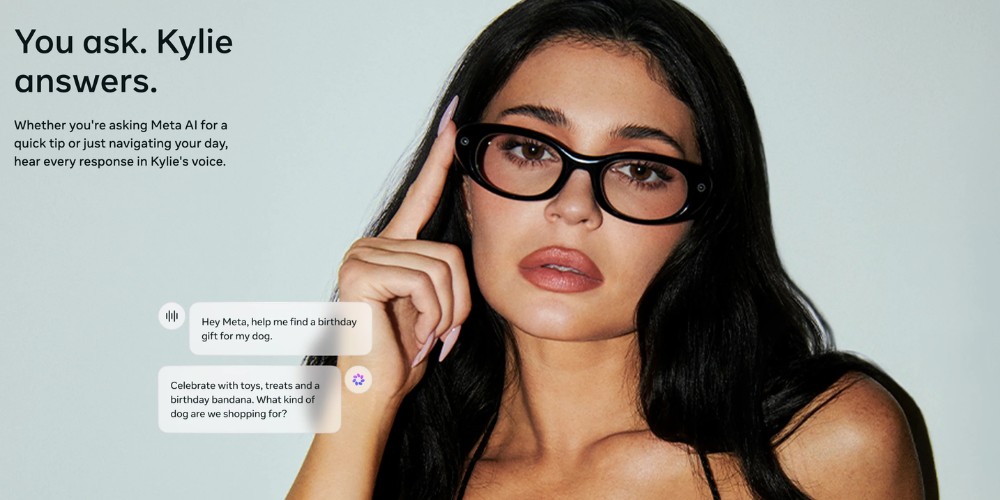
Take Kylie Jenner’s partnership with Meta’s Ray-Ban smart glasses launch. Whether consumers rushed out to buy the product because Kylie recommended it is almost beside the point. Her involvement generated huge awareness, sparked discussion across social media and helped the launch dominate online conversations.
That’s the power of a macro influencer: reach, visibility and cultural relevance.
Micro-influencers tend to achieve something different.
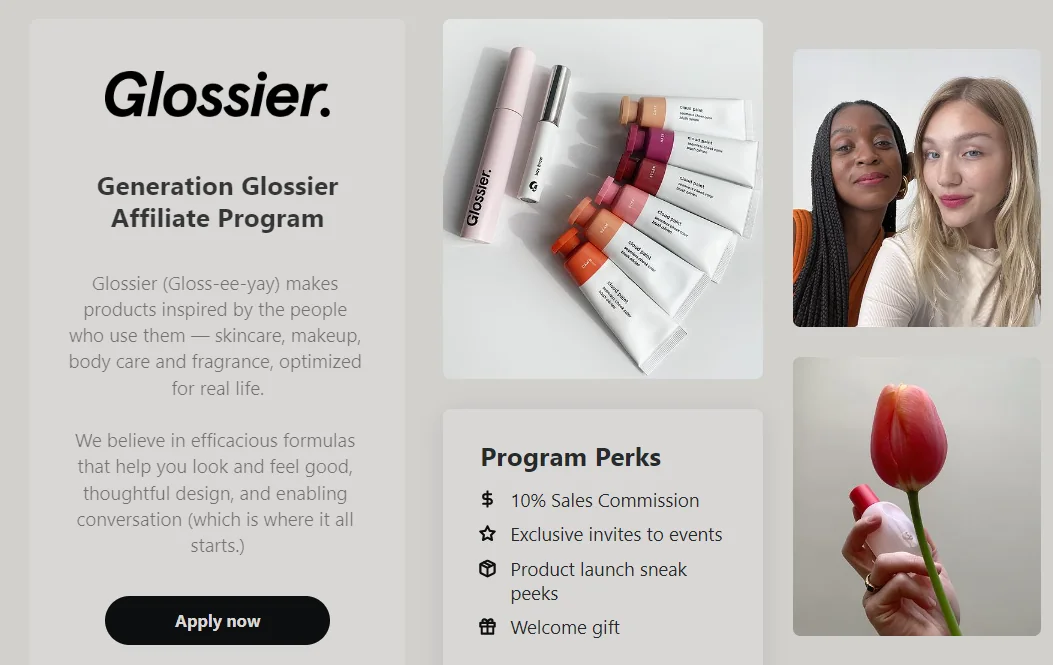
Beauty brand Glossier built much of its success by turning loyal customers into advocates through its Rep program. Rather than relying solely on celebrity endorsements, the brand empowered everyday creators who already loved the products to share them with their own communities.
The result was a vast network of trusted recommendations that helped fuel the brand’s growth and community-led reputation.
Neither approach is inherently better.
A macro influencer can put your brand in front of millions overnight. A network of micro-influencers can create trust, conversation and consideration among the people most likely to buy from you. The most effective influencer marketing campaigns often combine both.
Authenticity isn’t a nice-to-have
Authenticity has become one of the most overused words in influencer marketing, but it remains one of the most important.
The most effective influencer partnerships don’t start with, “How many followers does this person have?” They start with, “Does this person truly make sense for our brand?”
When a fitness creator partners with a sports nutrition brand they genuinely use, audiences are far more receptive than when that same creator suddenly promotes a completely unrelated product for a pay cheque.
Brands sometimes undermine campaigns by over-controlling them. Detailed scripts, rigid talking points and excessive approval processes can make content feel more like an advert than a recommendation.
The reality is that creators understand their audiences better than anyone else. The brands seeing the strongest results are often those willing to provide clear guidance while still allowing creators to communicate in their own voice.
Makeup brand REFY, which recently launched a new influencer campaign to promote their skin tint, did something most brands would never dream of doing… They dropped the traditional content approval process.
Instead of scripting creators or reviewing footage beforehand as you would traditionally expect, REFY gave their influencers total freedom to say what they want about the product. There were no pre-post reviews or approvals, and everyone was paid for their honest feedback, whether good or bad.
By letting influencers speak freely and openly about the product, it created absolute trust with their communities, who appreciated the transparent, unfiltered opinions. No surprise here, but the high-risk strategy paid off as product reviews started to generate massive organic buzz and drove product sales +200% above forecast.