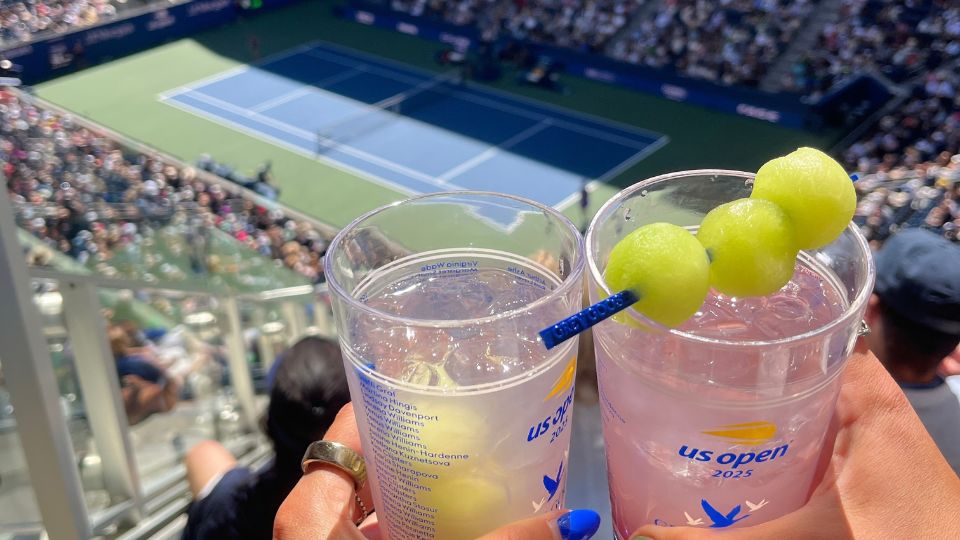
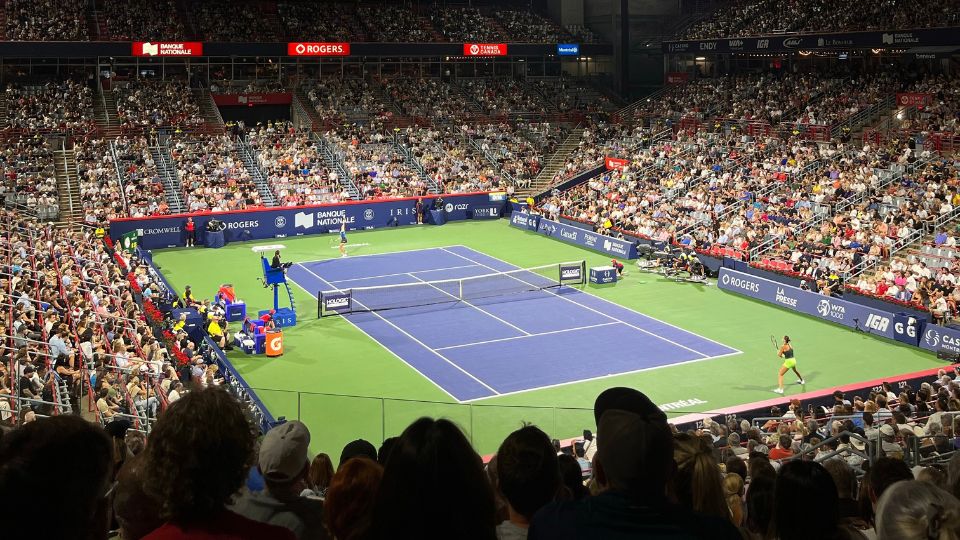
The backlash surrounding the US Open influencer controversy is therefore less a sign that the strategy is failing and more evidence that the industry is navigating a period of change.
Why tennis presents unique challenges for content creation
Unlike many other sports, tennis comes with its own set of expectations around crowd behavior.
A football stadium can absorb movement, noise and ongoing activity throughout a match. Tennis operates very differently. Fans are expected to remain quiet during points, and even minor distractions can become significant when athletes are competing at the highest level.
That makes tennis one of the least forgiving environments for content creation in real time.
Equipment that might go unnoticed at a music festival or other sporting event can become disruptive in a tennis setting. A ring light, loud conversation or filming setup positioned at the wrong moment can quickly draw attention for all the wrong reasons.
For brands and creators, understanding that rhythm is essential. Successful tennis content isn’t simply about securing access. It’s about respecting the environment in which that access exists.
Are influencers actually the problem at sporting events?
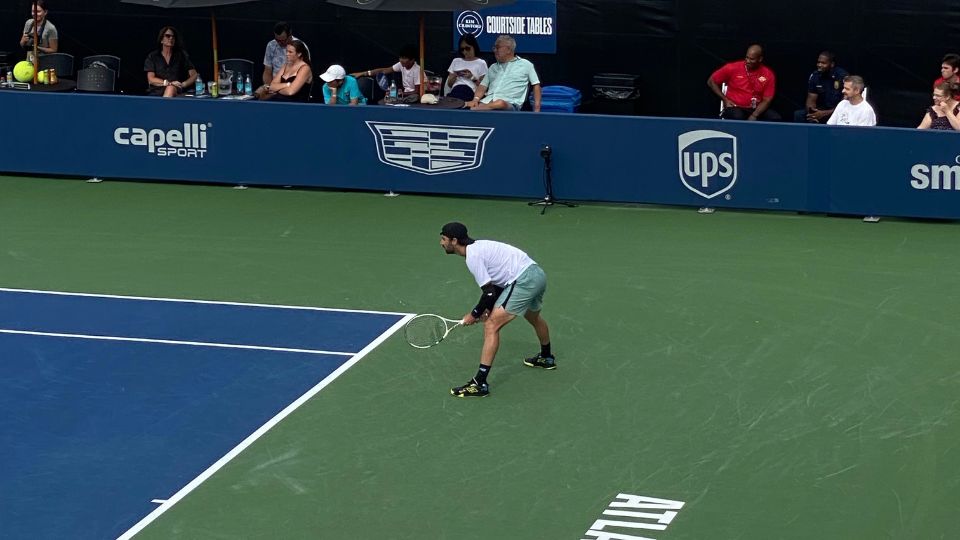
The narrative around the US Open influencer controversy has often framed creators as the issue. In reality, that oversimplifies what’s happened.
The concerns raised by players haven’t centered on content creation itself. Instead, they have focused on specific behaviors that risk disrupting play, such as filming during points, using distracting equipment or creating unnecessary noise during matches.
That’s an important distinction.
The vast majority of creators attending sporting events are there to document the experience and engage their audiences responsibly. In fact, creators play a valuable role in helping sports reach new demographics who might never engage through traditional broadcast coverage alone.
Many younger audiences are discovering tennis through lifestyle content, outfit round-ups, food recommendations and behind-the-scenes event coverage before they ever sit down to watch a full match.
Creators provide an entry point into the sport that traditional media can’t always offer.
Framing a handful of incidents as an influencer problem risks overlooking the wider value that creator marketing brings to the future growth of tennis.
What can brands learn from the US Open influencer controversy?
The biggest lesson from the US Open influencer controversy is that creator access requires greater structure.
Inviting creators to a tournament should involve far more than simply providing hospitality tickets and hoping for the best. Brands need clear expectations around content capture, behavior and equipment before creators arrive at the event.
The most effective creator programs will include:
- Clear guidance on where and when content can be filmed
- Expectations around behavior during live play
- Restrictions on equipment that could disrupt athletes or spectators
- Dedicated points of contact on the ground
- Pre-event briefing sessions covering tournament etiquette
These measures don’t limit creativity. They enable creators to produce stronger content while protecting the experience for players, fans and organizers alike.
As creator marketing becomes increasingly embedded within sport, proactive planning will become just as important as the creator selection process itself.
What happens next as influencers, brand activations, and sporting events continue to collide?
The US Open influencer controversy is unlikely to lead to fewer creators attending major sporting events. If anything, the opposite is true.
Tennis continues to attract growing interest from brands, creators and younger audiences, and that momentum is unlikely to slow down. What will change is how access is managed.
Tournament organizers, rights holders and brands will all face increased pressure to create clearer frameworks that allow content creation to flourish without disrupting competition.
The most successful events will be those that recognize creator marketing as a permanent part of the sporting landscape and build processes that support it accordingly.
The future of sports marketing isn’t less access. It’s better access.
The real opportunity for brands isn’t unlimited access. It’s better designed access.
Dedicated content windows, clearly defined filming zones and stronger etiquette guidance can give creators everything they need while maintaining the integrity of the sport itself.
The debate sparked by the US Open influencer controversy shouldn’t be viewed as a warning against influencer marketing in tennis. Instead, it should be seen as a reminder that as creator culture becomes more embedded in sport, access becomes the asset.
The brands that understand this and invest in thoughtful, well-managed creator experiences will ultimately get far more value from tennis than those focused solely on reach.
More from us
As sports, entertainment and creator culture become increasingly intertwined, brands need more than event access to create meaningful impact. The most successful campaigns are built around the right creator partnerships, clear audience understanding and a content strategy that works before, during and after the event itself.
At Dig & Dig, we help brands connect with audiences through influencer marketing, social media, digital PR and integrated campaigns that drive both visibility and engagement. From identifying the right creators and developing partnership strategies to managing content activations and measuring impact, we help brands create campaigns that feel authentic to audiences and effective for businesses.
If you’re interested in how creators are reshaping brand communications and audience engagement, these articles are a useful next step:
Whether you’re planning a creator campaign, exploring influencer partnerships, or looking to make a bigger impact across social media and PR, get in touch with the Dig & Dig team at hello@diganddig.com or via our contact page.